
Sattva Lumina Gallery
These frames are marketing-grade selections for Sattva Lumina at Rajanukunte-useful for mood-boarding interiors and understanding façade rhythm, not for legal dimensioning or municipal setback certification. Pair visuals with the master plan article for siting truth and with the floor-plan catalogue for inside-the-walls reality. When you are ready to translate pixels into rupees, jump to the pricing chapter for the all-in worksheet narrative. In the same Bengaluru market, Sattva Mysore Road helps keep the gallery review tied to design evidence rather than only the most polished render or model-flat image.
Elevation & façade rhythm
Elevation renders compress perspective; balconies look deeper and slabs thinner than they will in poured concrete. Look instead for repetitive vertical modules that hint at lift cores, AC ledge depths, and glazing mullion spacing-those survive reality better than glass colour changes. Compare glass reflectivity against the sky in multiple images; if every frame is sunset-orange, assume colour grading.
Bird-flight sightlines toward the airport or Nandi hills are emotionally sold but legally non-guaranteed if future towers rise on adjacent parcels; treat horizon claims as pleasant scenarios. Façade cleaning cycles matter more on all-glass skins; ask how often BMU cradles can traverse without conflicting with penthouse terrace rights.
If you print elevations for family review, mark fire refuge floors and mechanical refuge terraces-they often read visually as “odd blank slabs” in renders but become conversation pieces once explained.
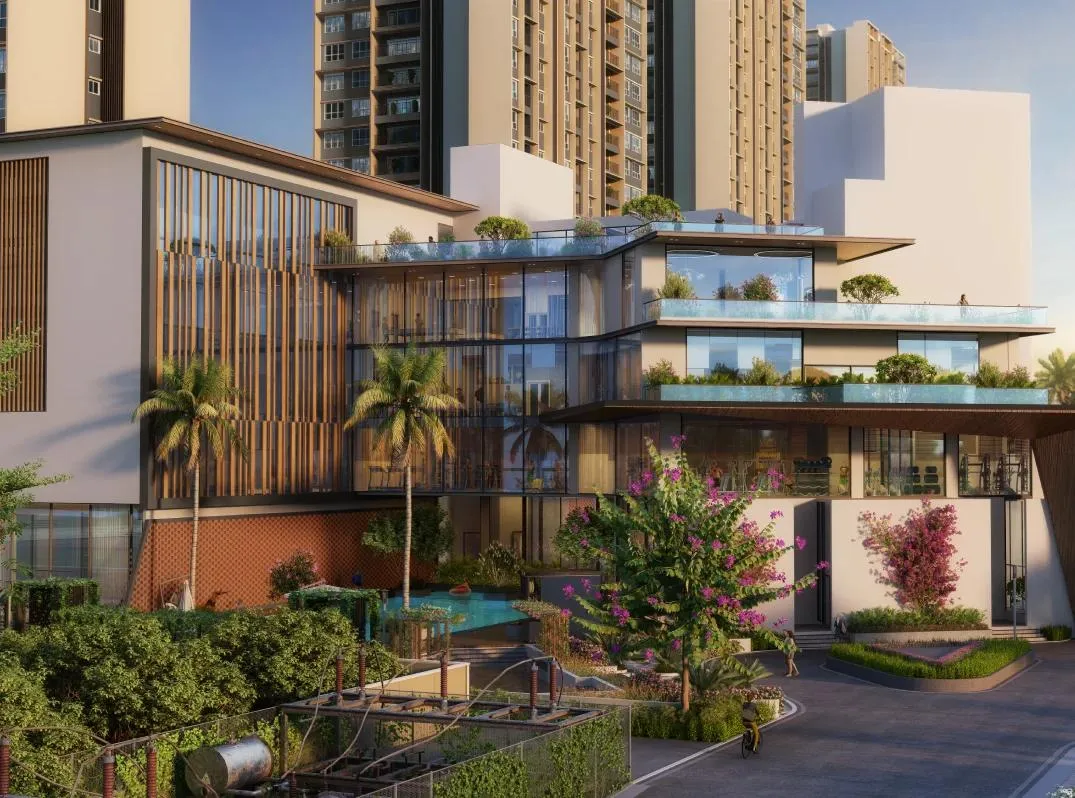
Sattva Lumina elevation view 1.
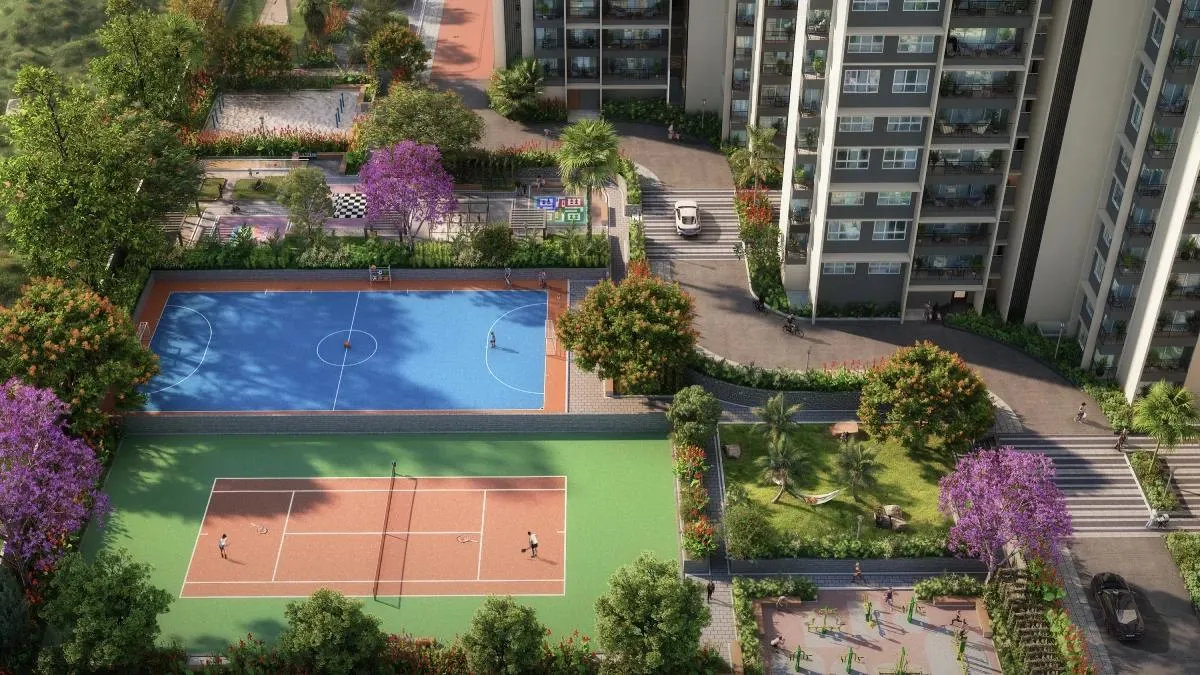
Sattva Lumina elevation view 2.
Sattva Lumina elevation view 3.
Sattva Lumina elevation view 4.
Night shots with warm lighting are emotionally persuasive but hide panel joint lines; ask for a midday render if one exists internally. Façade maintenance systems (BMU rails) rarely appear in beauty images-confirm on working drawings.
Glass percentage versus solid wall percentage changes acoustic privacy; reflective glass can also create laser-like glare onto neighbouring low-rises at certain sun angles. If you see deep horizontal slabs between floors, that usually signals a climate-responsive attempt to shade glazing-good for cooling loads, slightly heavier visually. If slabs look razor-thin across twenty floors, suspect render exaggeration.
Balcony rail heights and child-safety gaps are not legible in compressed web images; verify against NBC guardrail mandates on PDF sections. Similarly, planter boxes on balconies look romantic but add dead load and waterproofing complexity-ask whether structural allowance for soil depth is real or illustrative.
Master plan & landscape storytelling
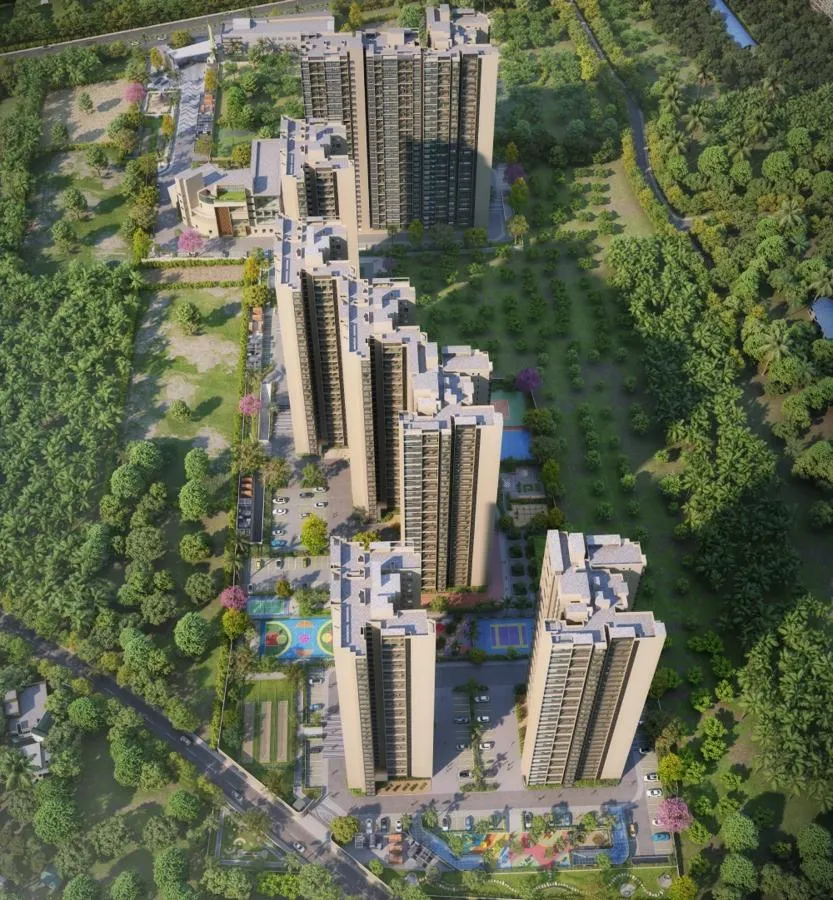
The master-plan still is a single authoritative graphic for discussing tower spacing with your family; zoom it on a large monitor before debating corner premiums. Landscape renders exaggerate tree height-overlay expected five-year canopy radius mentally.
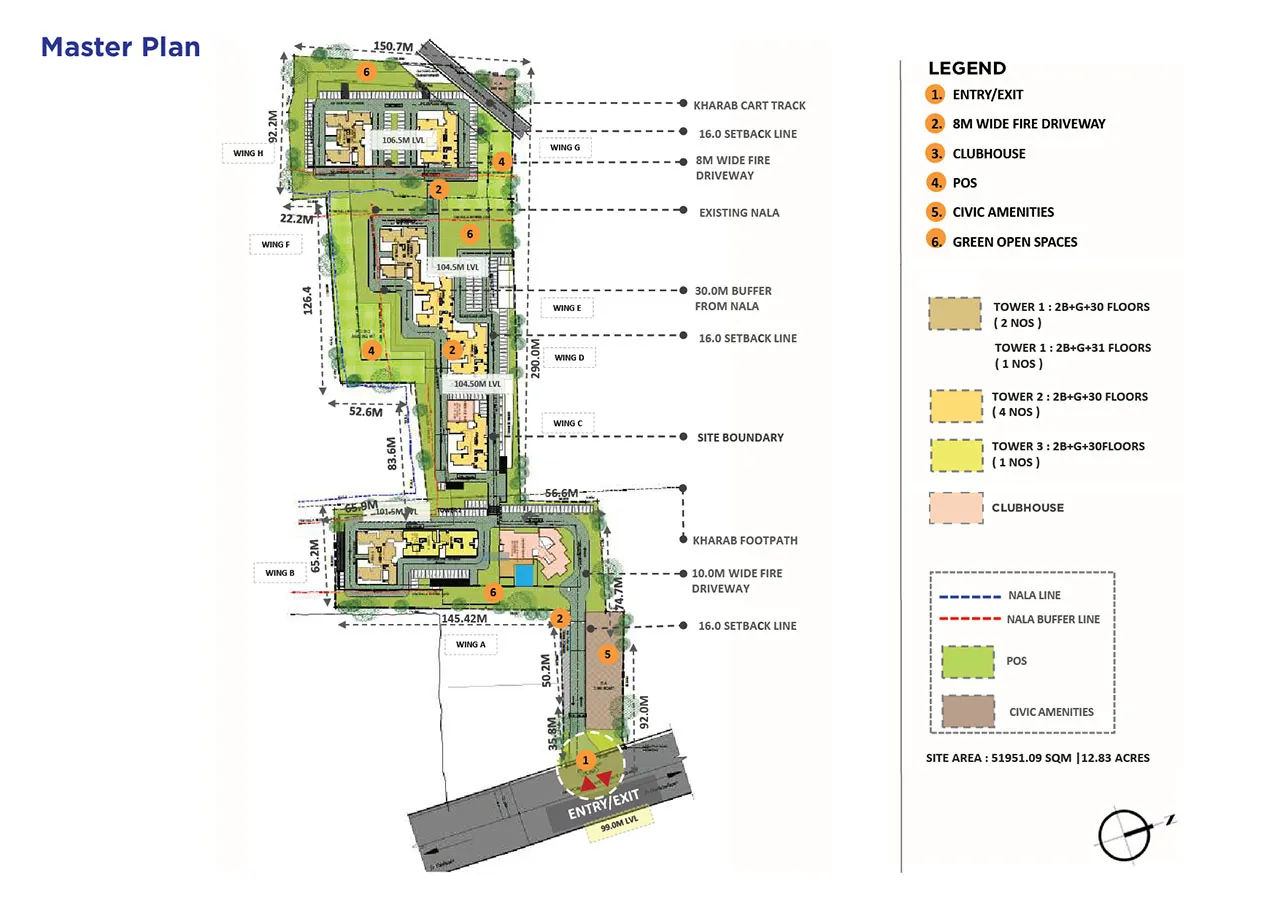
Sattva Lumina master plan.
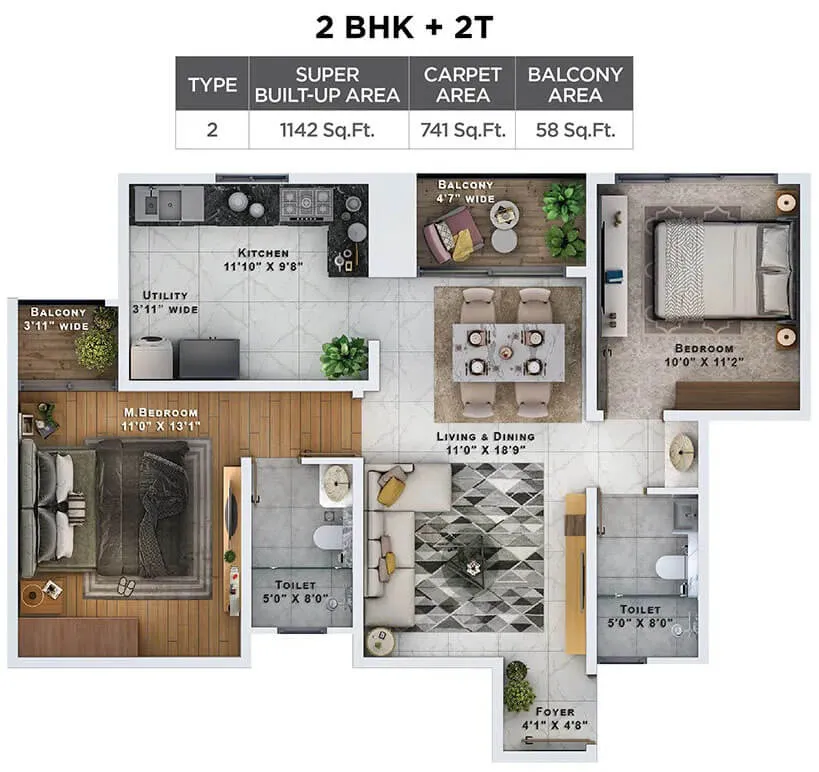
Sattva Lumina landscape deck.
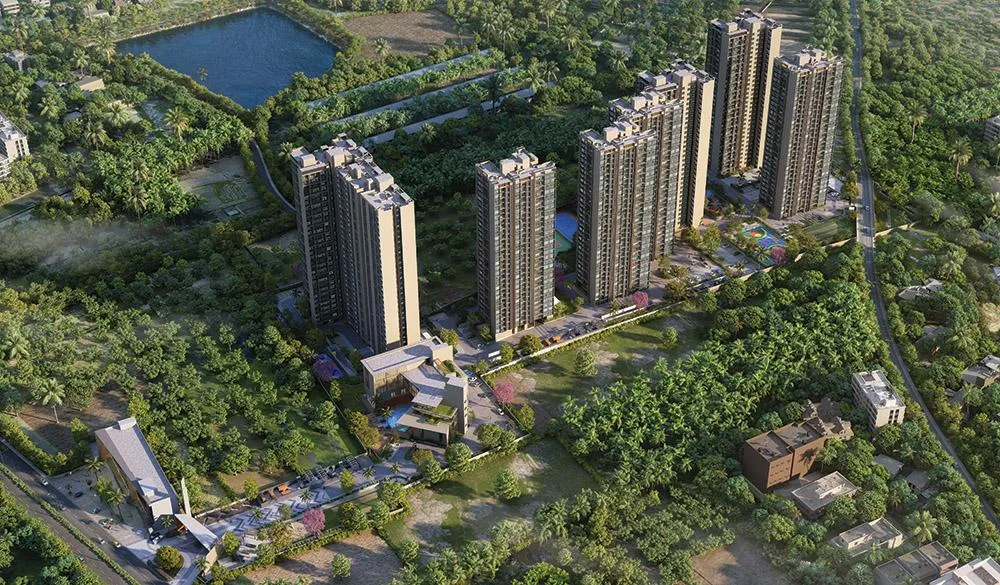
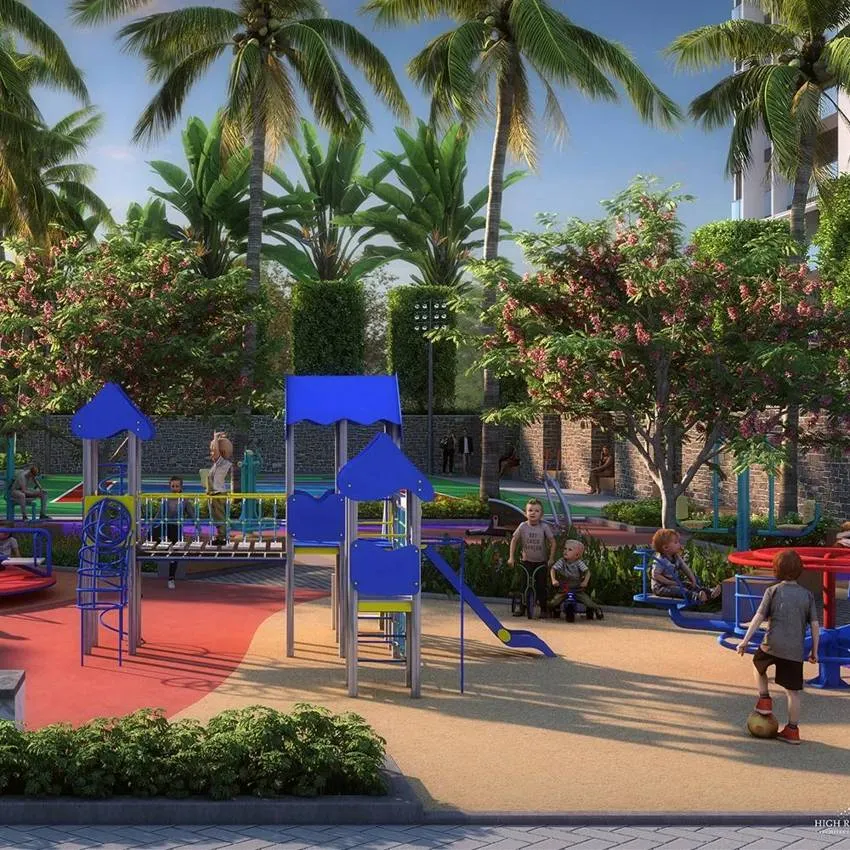
Sattva Lumina outdoor amenity.
Water features photograph well but consume maintenance hours; count lifeguard chairs and pump room access hatches in plan zooms, not only fountain arcs.
Central lawns that look uniformly green in renders often hide species mixes chosen for instant impact rather than long-term canopy depth. Ask the landscape architect’s plant list: native species reduce irrigation opex; exotic palms increase it. Mounding used to hide basement vents can create blind spots for toddler safety-note berm slopes.
Driveway arrival sequences should show clear separation between visitor cars, service trucks, and school buses; if all three share one lane in renders, expect operational friction unless revised in final traffic engineering.
Interiors, lobbies, and club vignettes
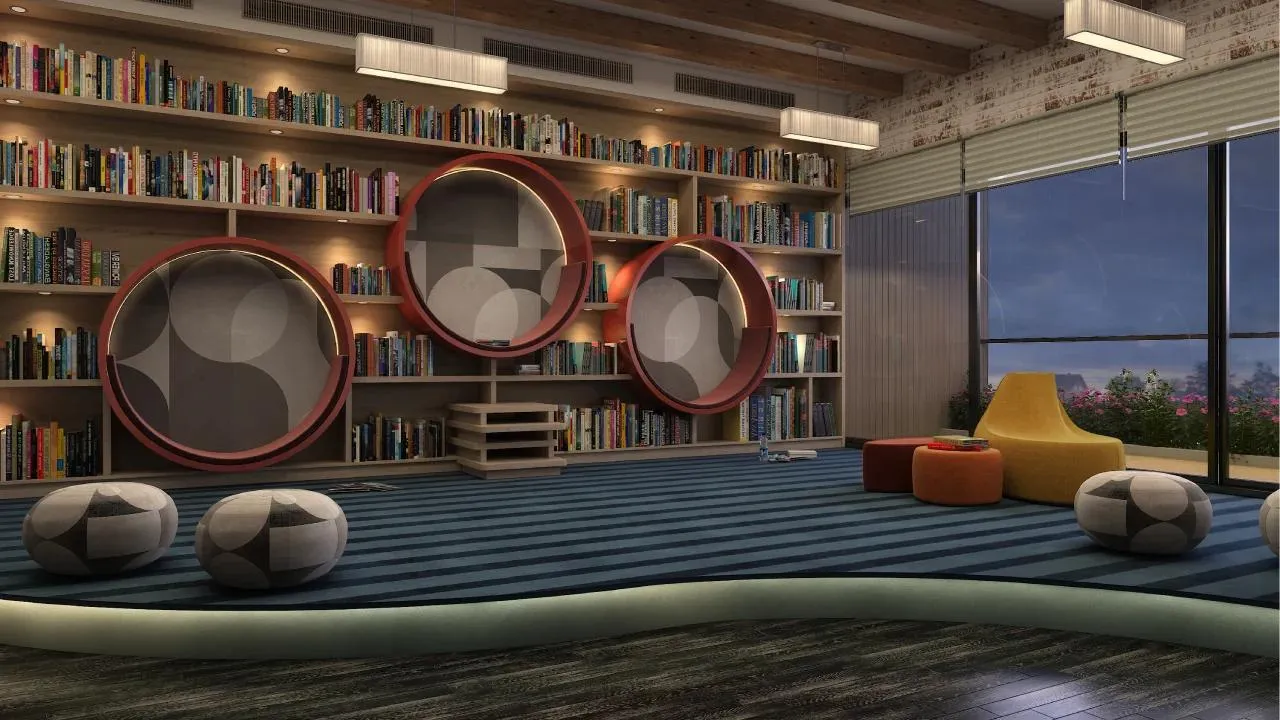
Interior vignettes usually show upgraded spec packages or model-flat palettes that may not match your default finish band. Focus on spatial proportions: ceiling height cues, door heights, and window-to-wall ratios. Ignore staging furniture brands-they rarely convey real vendor lead times.
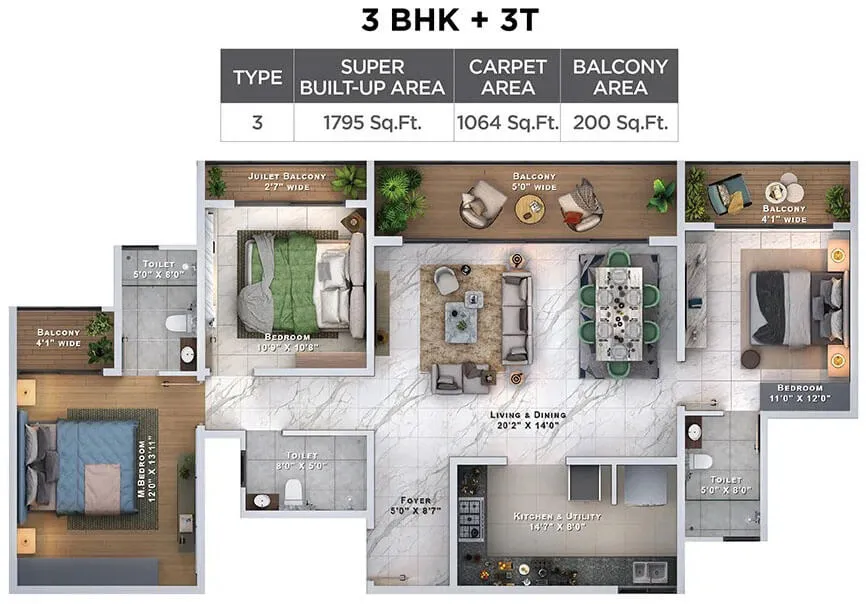
Sattva Lumina interior 1.
Sattva Lumina interior 2.
Sattva Lumina interior 3.
Sattva Lumina interior 4.
Sattva Lumina interior 5.
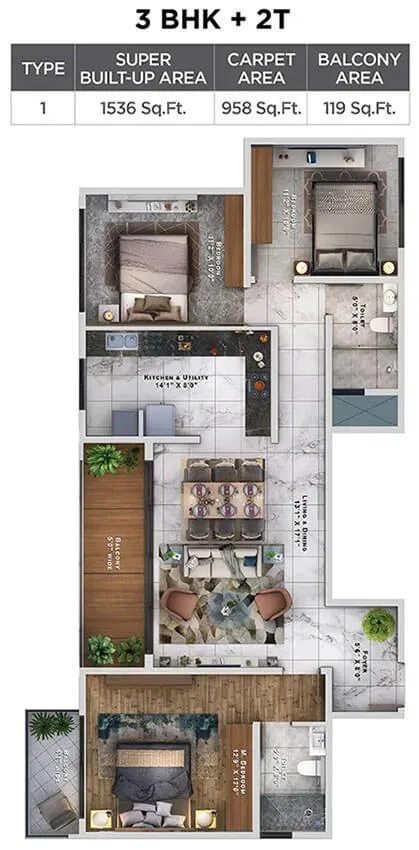
Sattva Lumina interior 6.
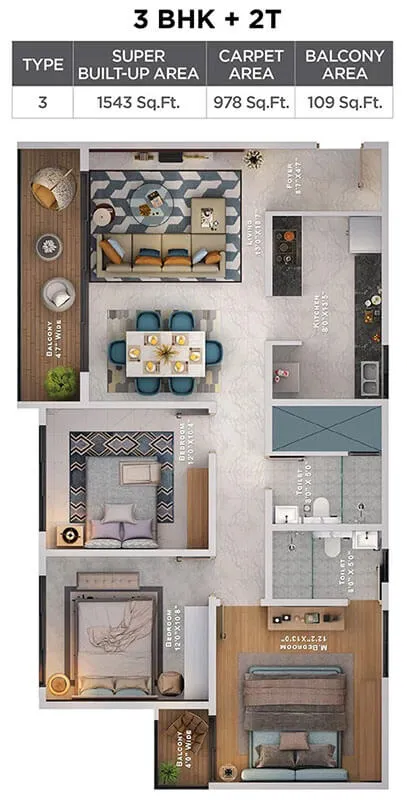
Sattva Lumina interior 7.
If a specific tile or veneer matters to you, get the BOQ code from sales rather than colour-matching from compressed WebP files.
Kitchen renders often hide chimney duct widths behind glossy cabinets; ask for reflected ceiling plans showing duct risers. Bathroom renders rarely show geyser volumes; confirm whether solar-thermal or heat-pump rough-ins exist if you plan low-energy retrofits. Wardrobe renders with mirror panels can violate Vastu preferences for some buyers-better to discover that now than after CNC orders are placed.
Lobby images with double-height voids look majestic but inflate HVAC loads and lighting budgets; check whether temperature stratification is addressed with destratification fans or you will sweat near the security desk every April afternoon.
Reading colour, materials, and lighting honestly today
Marketing colour grading pushes blues toward teal and greens toward emerald because those hues read “premium” on OLED phones. Ask for a grey-card neutral reference photo set if your interior architect needs accurate albedo values for daylight simulation. Stone veneers in lobbies may be composite panels rather than monolithic slabs; both are fine if priced and maintained correctly, but you should know which you are buying.
Warm-white versus cool-white LED choices change how paint colours read; gallery images seldom document the CCT spec. Exterior metal finishes (PVDF versus powdercoat) age differently under UV; coastal-fog corrosion is less severe in North Bengaluru than on Marine Drive, but particulate from nearby roads still matters.
Swimming pool tiles look darker when wet; marketing stills often show dry decks only. Ask for a wet-state colour sample if pool aesthetics emotionally anchor your purchase-some buyers care more than they admit.
Wood finishes in renders may be laminate catalogues rather than veneer; both can be durable if edge-banding quality is high. Metal trims around lift portals photograph sharper than they feel underhand-verify deburring standards on site mock-ups.
What to look for in these images before you book
Check shadow directions across multiple images for consistency with claimed tower orientation. Look for hidden service louvres near bedroom windows. Count visible crane booms or half-built neighbours at frame edges-those reveal actual site context more honestly than central hero crops.
If you need side-by-side comparison with a plotted alternative in the same belt, the TE Yelahanka location imagery sets a different density expectation worth studying before you commit cheques.
Always insist on a live site walk to validate view corridors that look open in renders but may face future phases not yet modelled.
Drone shots, if added later, are excellent for judging actual construction progress versus marketing timelines; ask sales whether monthly drone packs exist for serious buyers under NDA. Phone photos from existing residents in adjacent parcels sometimes reveal honest skyline clutter that branded renders airbrush.
When exporting images to your architect for interior coordination, prefer PNG or TIFF sources if the desk shares them; recompressing WebP repeatedly loses grout-line detail that matters for tile shop drawings.
If you annotate images for family decision meetings, circle three risks per frame rather than only highlighting pretty parts-families align faster on trade-offs when negatives are named early and debated calmly. Store dated filenames so six months later you remember which render came from which campaign refresh.
Finally, remember that gallery pixels never include your future curtains, potted plants, and kids’ chalk marks on balcony glass; leave emotional margin for real life beyond the render farm across generations.
Need uncompressed renders?
Ask the desk for high-resolution packs for architect coordination.
Sattva Lumina Gallery - Frequently Asked Questions
The gallery covers elevation renders, master plan exhibits, landscape views, and interior vignettes from the planned community at Rajanukunte. It is a working visual reference around the published design package.
No. The published images are renders and indicative visual references during the construction phase. Final finishes, elevations, and interior specifications get locked once the sample home and handover-ready inventory are inspected on site.
Yes. Site visits are coordinated through the sales desk via the contact form, with exact pin, parking, and approach instructions shared at booking time. Bring a printed checklist so on-site verification stays disciplined.
Sample apartments and experience centres typically open around the formal sales push. Confirm current availability with the sales desk during your visit to make sure you walk through the configuration you intend to book.
Cross-check render details against the written specification sheet covering flooring, joinery, sanitaryware, and electrical scope. Renders are interpretive; the specification sheet is the contractual reference.
Thumbnails appear on the gallery, with the formal exhibits on the master plan and floor plans pages. The complete pack is shared on request through the contact form so you can review at full resolution.